
A digital PR campaign should begin with a useful story and a clearly defined audience, not a target number of backlinks. The practical goal is to create evidence, expert explanation, or a resource that a relevant publication can use, then connect that coverage to a page that helps its readers.
Quick answer: Plan one campaign around a specific reader decision. Build a defensible asset, identify publishers whose audiences need it, make a concise pitch, and measure coverage, links, visits, search visibility, and business outcomes separately. Digital PR can support discovery and credibility, but it cannot guarantee rankings or inclusion in AI-generated answers.
Key Takeaways
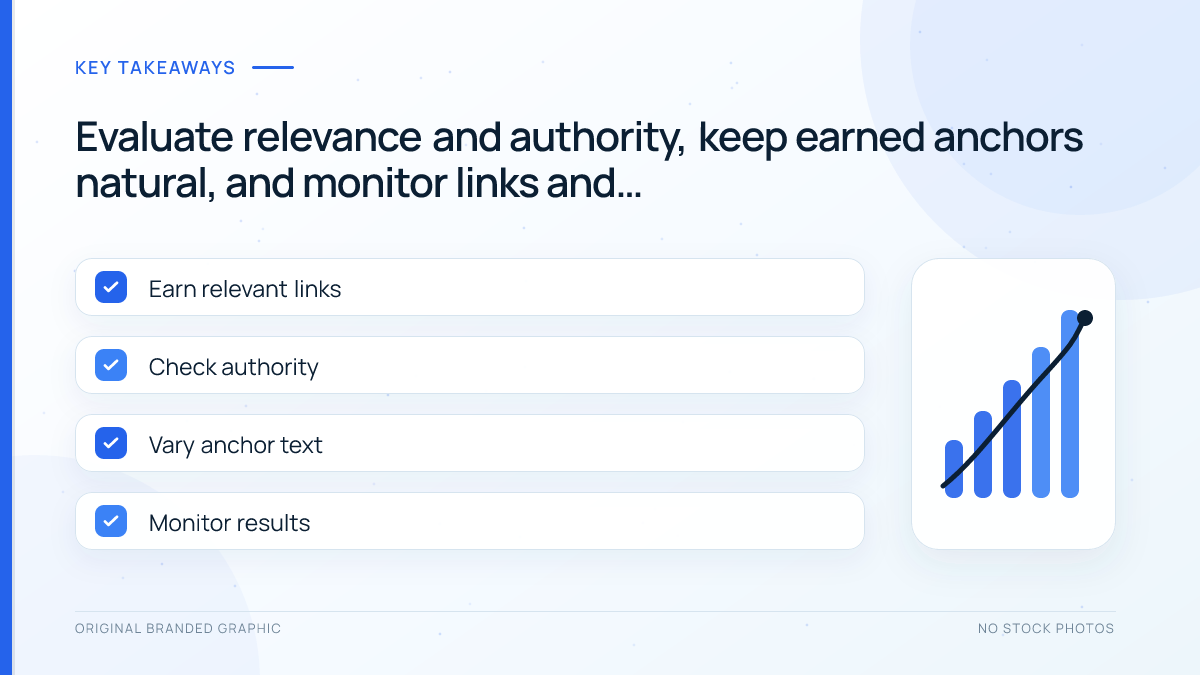
- Choose a narrow audience problem before choosing a format or outlet list.
- Give journalists and creators something verifiable: original data, a documented process, expert analysis, or a genuinely useful resource.
- Keep editorial links optional and natural. Paid coverage should not pass ranking credit.
- Match every pitch to a relevant destination page that is published, useful, and accessible.
- Report mentions, links, referred visits, identifiable assistant traffic, and conversions as different signals.
Prerequisites for a Digital PR Campaign
Before outreach, define the audience, the decision your story helps them make, the campaign owner, the publication window, and the desired reader action. Confirm that the supporting page is live, crawlable, indexable, and useful without a form or login.
You also need permission to publish any data, quotations, or customer examples. Record the method, date range, exclusions, and limitations behind each claim. The source-audit workflow for AI search content can help you separate evidence from interpretation before anyone checks your work.
Finally, prepare a simple campaign sheet with columns for outlet, contact, audience fit, pitch angle, status, coverage URL, linked destination, link attribute, referral activity, and outcome notes. A spreadsheet is enough; the quality of the decisions matters more than the software.
How to Plan a Digital PR Campaign Step by Step
1. Define one audience problem and outcome
Write a one-sentence campaign brief: who needs the story, what decision it supports, and what evidence you can contribute. “Earn more links” is not a reader outcome. “Help small retailers decide which checkout problems to fix first” is specific enough to guide research, outlets, and destination pages.
2. Build an asset that deserves attention
Choose the smallest format that proves the story. Options include aggregated first-party data, a transparent calculator, a practical template, a documented expert analysis, or a visual explanation. If you use your own dataset, follow a repeatable first-party data publishing process: disclose the sample, timeframe, definitions, exclusions, and limits. Never invent a survey, test, quote, or result.
Google’s current guidance for generative AI features emphasizes unique, useful content and warns against seeking inauthentic mentions. A campaign should therefore add something a publisher can verify and a reader can use, rather than manufacture the appearance of popularity.
3. Select outlets by audience fit
Group prospects by the people they serve and the angle they could reasonably cover. A focused trade publication may be more valuable than a large general site if its readers match the campaign. For each prospect, record one reason the story fits, a relevant recent topic, and the best contact route. Remove outlets that publish unrelated sponsored posts or offer guaranteed ranking links.
4. Write a concise, evidence-led pitch
Lead with the reader problem and the strongest verified finding. Explain why it matters now, describe the method in plain language, and provide the complete asset. Suggest possible angles without writing the publisher’s conclusion for them. Keep participation, wording, anchor text, and link placement under editorial control.
5. Prepare the destination and link policy
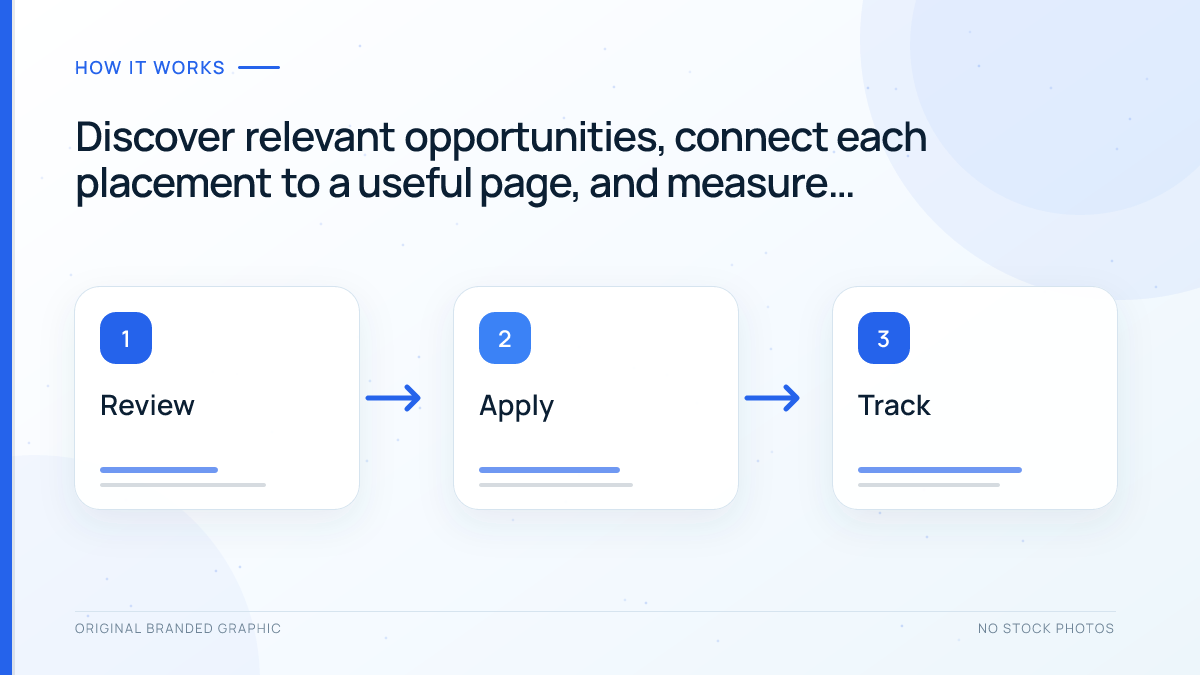
Send readers to the page that supports the story, not automatically to the homepage. Research coverage should point to the methodology or full dataset; a how-to story should point to the usable guide. Review this complete link-building process if you need to assess relevance, placement, and destination quality.
Google’s link spam policy covers links created mainly to manipulate rankings. Payment, products, or services exchanged for coverage should not buy ranking credit; sponsored links need appropriate qualification. Do not demand keyword-rich anchors, reciprocal links, or a followed link as a condition of participation.
6. Establish a baseline and measurement plan
Record the target page’s search and business baseline before the campaign. Then decide how often you will verify live coverage, links, referral sessions, engaged sessions, key events, and branded search demand. GA4’s default channel definitions include identifiable AI Assistant traffic. Use the Digital PR measurement workflow to keep coverage, traffic, Google generative-AI visibility, and outcomes separate.
Campaign Planning Checklist
| Decision | Evidence to record | Stop condition |
|---|---|---|
| Story | Audience problem, finding, method, limitation | No useful or defensible conclusion |
| Asset | Published page, source file, reviewer, date | Private, unverified, or thin evidence |
| Prospects | Audience fit and relevant coverage | Guaranteed links or unrelated sites |
| Outreach | Personalized angle and contact status | Mass template with no reader value |
| Measurement | Baseline, coverage, visits, outcomes | One metric treated as proof of everything |
Illustrative Worked Example
Suppose a small ecommerce platform has anonymized support data showing that merchants frequently confuse two checkout settings. This is an illustrative plan, not a reported campaign result.
- Question: Which checkout setting causes the most avoidable setup errors?
- Asset: An aggregated analysis with definitions, sample period, exclusions, and a repair checklist.
- Audience: Ecommerce operators and agencies that configure small stores.
- Prospects: Publications and newsletters that already explain checkout operations.
- Pitch: The verified pattern, why it matters to readers, and access to the full method.
- Measurement: Published mentions, relevant links, referral engagement, checklist downloads, and target-page search performance.
The example works because the story, evidence, publication audience, destination, and measurement all support the same reader task. It would fail if the company hid its method, pitched unrelated outlets, or treated every mention as an AI citation.
Troubleshooting Common Campaign Problems
| Problem | Likely cause | Practical response |
|---|---|---|
| No replies | The angle is generic or poorly matched | Narrow the audience, strengthen the evidence, and rewrite each pitch around outlet fit. |
| Coverage but no link | The story was useful but the destination added little | Provide the methodology or resource, but respect the publisher’s editorial decision. |
| Links but no visits | The placement or destination does not invite action | Check context, relevance, landing-page clarity, and analytics without assuming the link has no value. |
| Irrelevant offers | The campaign attracted sellers rather than editors | Reject guaranteed-link packages and return to audience-led prospecting. |
| Unclear AI impact | Mentions, referrals, and citations were combined | Report only signals your tools actually identify and label everything else unknown. |
Limitations to State Clearly
Digital PR attribution is incomplete. A reader may discover a brand through coverage and return later through search or a direct visit. Analytics may miss some referrers, and a published mention does not prove that an AI system used or cited it. Google says normal SEO foundations still apply to its generative features; there is no special schema, file, or outreach tactic that guarantees inclusion.
Do not forecast rankings or traffic from a placement. Evaluate relevance, editorial choice, actual visits, and useful outcomes over an appropriate window. For fundamentals, review what backlinks are and what they can demonstrate.
Frequently Asked Questions
What is the main goal of a digital PR campaign?
The main goal is to earn relevant editorial attention for a useful story or resource. Links, visits, branded searches, and business outcomes are possible results, but no single result should replace the reader value of the campaign.
Does digital PR guarantee backlinks?
No. A publisher may cover the story without linking, choose a different destination, or decline the pitch. Strong evidence and a useful supporting page improve the case for a link without making it compulsory.
Should I pay a publisher for a followed link?
No. Payment, products, or services should not purchase ranking credit. Sponsored coverage can be legitimate advertising, but the publisher should qualify paid links appropriately and disclose the commercial relationship.
Can digital PR improve visibility in AI search?
Relevant coverage may increase discovery and provide public information about an organization, but it does not guarantee an AI mention or citation. Measure identifiable assistant visits and available platform reports separately from ordinary referrals.
How many outlets should I pitch?
There is no universal number. Build a focused list of outlets whose audiences genuinely need the story, then prioritize fit and personalization over volume. A smaller relevant list is more defensible than mass outreach.
Conclusion
A sound digital PR campaign connects one audience problem to credible evidence, relevant publishers, a useful destination, and honest measurement. Plan the story before the outreach, leave editorial decisions with the publisher, and separate coverage from links, traffic, AI visibility, and outcomes. That discipline makes the campaign more useful to readers and easier to evaluate without inflated claims.